Trump’s AI Chip Deals and the Conflicted Power of the U.S. Executive
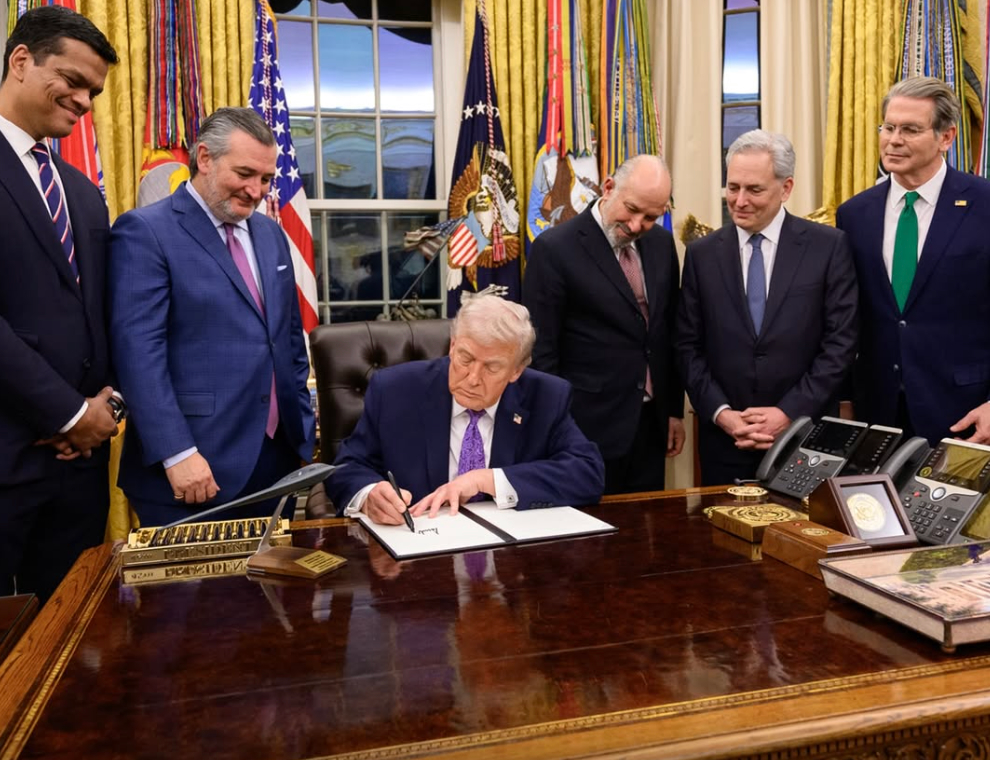
The Biden administration restricted exports of high-end NVIDIA AI chips to the UAE, only allowing them under strict licensing caps due to national security concerns. However, in Trump’s second term, MGX, a UAE linked firm based in Abu Dhabi, made a $2 billion investment in Binance using USD1, a cryptocurrency issued by a Trump-family linked crypto firm. Shortly after, the US shifted its AI export policies. On November 4th, Microsoft became the first company to receive an export license to ship NVIDIA chips to the UAE.
A Brief History of Presidential Assets
The United States executive branch holds power over law enforcement, export licensing, foreign investments, and trade deals. Donald Trump is the first president in modern history to openly maintain and monetize foreign business ties that directly interfere with US foreign policy. Prior to Trump, it was standard practice that US Presidents would either divest from or move assets which carry the potential to cause conflict of interest into blind trusts. Jimmy Carter, for instance, placed the profits from his peanut farm (an asset that typically doesn’t shake up the international order) and placed its profits in a blind trust; on the other side of the political spectrum, Reagan placed his investments and film-industry royalties into a blind trust managed by an independent trustee. In the 2000’s, according to public disclosures, Obama only held simple assets, some being Treasury bonds, index funds, and college savings accounts for his daughters.
In his first term, however, Donald Trump did not divest from his business interests; he transferred management of the Trump Organization to his sons while retaining ownership, and his hotels, golf courses, and other assets continued earning revenue from foreign governments and other state-linked entities during his presidency.
This willingness to maintain a level of personal and familial control over assets which personally enrich Trump directly violated precedents set by former presidents from both the Democratic and Republican parties.
The AI Diffusion Rule
Under Biden, the US had tight export controls on its advanced AI chips to prevent its rivals from acquiring them. This was considered an important matter for US national security because more advanced AI chips can improve surveillance, military technology, and grant economic advantages. At the end of his term, Biden launched the AI Diffusion Rule which placed restrictions on advanced AI chip exports, cloud access, and model weights.
The Export Policy Pivot
The Trump administration has not embraced the AI Diffusion Rule set by the Biden administration. In May, Trump approved a deal allowing the UAE to build the largest artificial intelligence campus outside of the US with a 500,000-unit export limit of Nvidia’s most advanced AI processing chips.
On November 4th, Microsoft was granted a license to export 60,400 of Nvidia’s most advanced AI chips to the UAE. The Trump administration insists that the export of these chips to the UAE does not pose a national security risk to the US, a sharp shift from the Biden administration which feared the UAE could export the chips to US rivals; this concern has become more pressing today given the UAE’s purported links to regional extremist groups, including Sudan’s allegations that the UAE has provided financial and military support for the RSF.
While there is no definitive legal proof that MGX’s Binance investment made using the stablecoin created by a Trump-family-controlled firm was illegal, the timing of the investment with the sudden pivot in U.S. technology-export policy is difficult to ignore.
The Implications of the Administration’s Actions
This is just one of many scandals the current administration is involved in, but the lack of regulation and consequences during and after each scandal is notable. Foreign investments affecting the personal finances of the head of the US executive branch are at minimum a conflict of interest that risks undermining regulations that guarantee the president’s personal financial interests cannot impact their decisions.
The current lack of accountability for Donald Trump’s personal policies fosters a perception of corruption, which impacts Americans lives by reducing the strength of their democracy by allowing their president to broker foreign trade deals that are perceived to benefit his own financial interests more than the national interests of the US.
While a solution would be difficult, and at this time highly unlikely considering Trump would have to relinquish power, it likely involves the US Congress gaining more power over these matters. Until regulations of the executive branch are improved and enforced, American voters will have to navigate further legal ambiguities surrounding corruption.